
The history behind this song
The Death of Empathy Three months after Song 7's "miracle," the child's father returns. Something is wrong with his child. They breathe, they eat, they speak—but the person is gone. Just a hollow shell going through the motions.
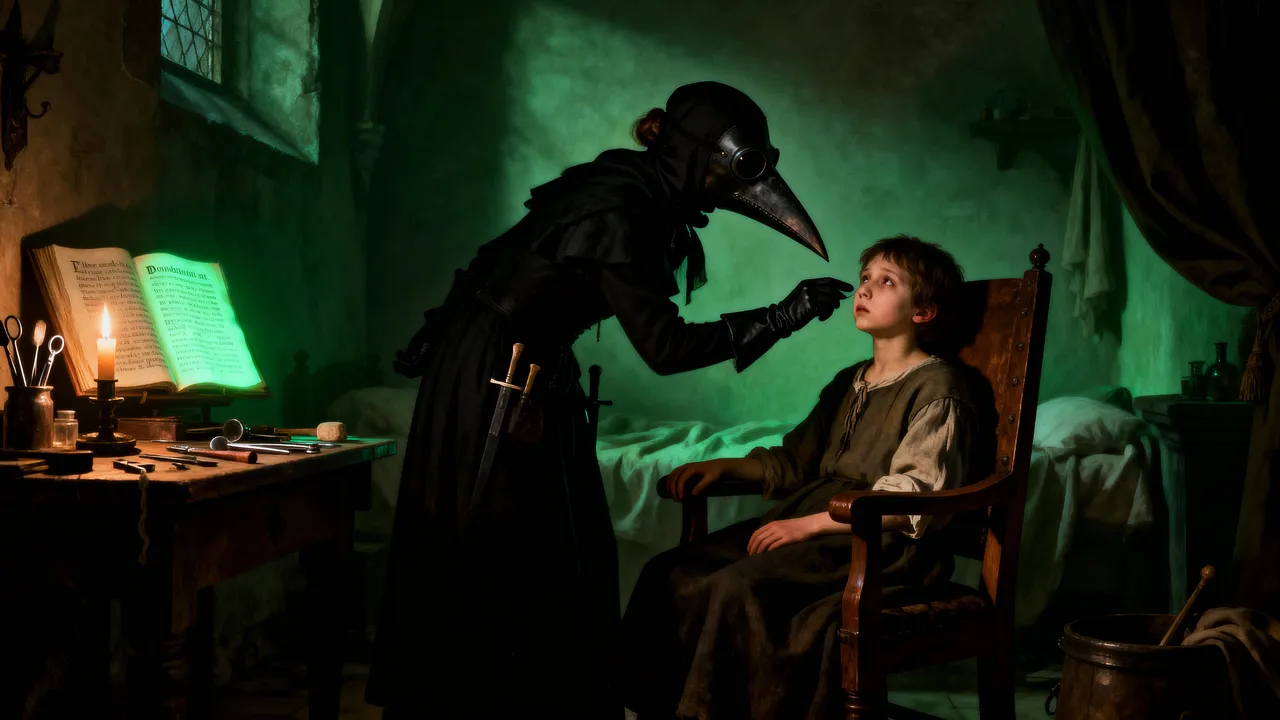
The doctor lies, keeps the child for "examination." And alone with their creation, something shifts. What starts as clinical observation becomes fascination. Then curiosity. Then dark excitement.
This is the moment empathy dies—and scientific obsession is born. "This is my work and it's fascinating / Every function preserved, no hesitating / The body remains, the mind recalls / But the person is gone behind these walls" The doctor examines the hollow child and realizes: I should feel horror. Instead, I feel wonder. By the song's end, they're not disturbed by what they've created. They're excited to create more. "Subject One is stable, perfectly preserved / The experiment continues / I am not disturbed / I wonder what Subject Two will reveal"
What to Expect. Industrial symphonic metal blending mechanical precision with dark orchestral elements Building intensity from sparse, cold observation (85 BPM) to aggressive fascination (110 BPM) Restrained power - controlled vocals hiding dangerous obsession underneath Real drums, distorted guitars, piano, strings creating industrial horror atmosphere The moment humanity dies and is replaced by scientific thrill
The Clinical Examination: The child stands perfectly still. Eyes vacant. The doctor begins testing: "Do you feel pain?" — "No." "Do you feel fear?" — "No." "Your mother died screaming, do you recall?" — "Yes. My mother is dead." But there's nothing behind the words. Just data retrieved from a hollowed mind. And the doctor realizes: the soul is gone. The body functions perfectly. This is remarkable.
Where horror should be, there's fascination. The doctor uses forbidden sight to perceive the void where the self used to reside. A perfect emptiness. A living vessel with memories stored like files. And they find it incredible.
The father returns, grateful, takes his hollow child home. Never suspects the truth. The doctor watches them leave and returns to their chamber—not disturbed, but eager. "I wonder what Subject Two will reveal"
Song 7: "The First Miracle" – First use of power, saved a child Song 8: "Pestilence Speaks" – Entity revealed the cost Song 9: "The Final Patient" – Mother destroyed, "I am the plague" Song 10: "Autopsy of the Soul" – Examines hollow child, empathy dies, obsession born
What Comes Next:
The narrative arc: After the emotional devastation of Song 9, the doctor doesn't collapse in guilt. They adapt. They study. They become fascinated. This is where the monster fully emerges, not through rage or madness, but through cold, excited curiosity about their own atrocities.
Musical Style: Industrial Symphonic Metal combining mechanical precision with dark orchestral horror. Real drums provide aggressive foundation while distorted guitars create industrial atmosphere. Piano and strings (violin/cello) add gothic horror elements without overwhelming the metal core. Sparse synths complement rather than dominate.
The song builds progressively: opening with sparse, cold instrumentation (dark piano, minimal strings) and accelerating through tempo shifts (85 BPM → 110 BPM) as the doctor's fascination intensifies. Restrained vocal delivery hides dangerous obsession, the horror comes from what's NOT being expressed emotionally, while the lyrics reveal growing excitement. Production maintains metal clarity with industrial edge, distorted but controlled, aggressive but precise.
Thematic Note: This song explores the death of empathy and transformation into monster. The horror is in the fascination, not the violence.
When did curiosity become more powerful than conscience?
Two songs remain – The doctor embraces corruption, then faces eternity